
 Spanish
 Portuguese
 Arabic (Saudi Arabia)
 Chinese (Mandarin)
 Urdu (پاکستان)


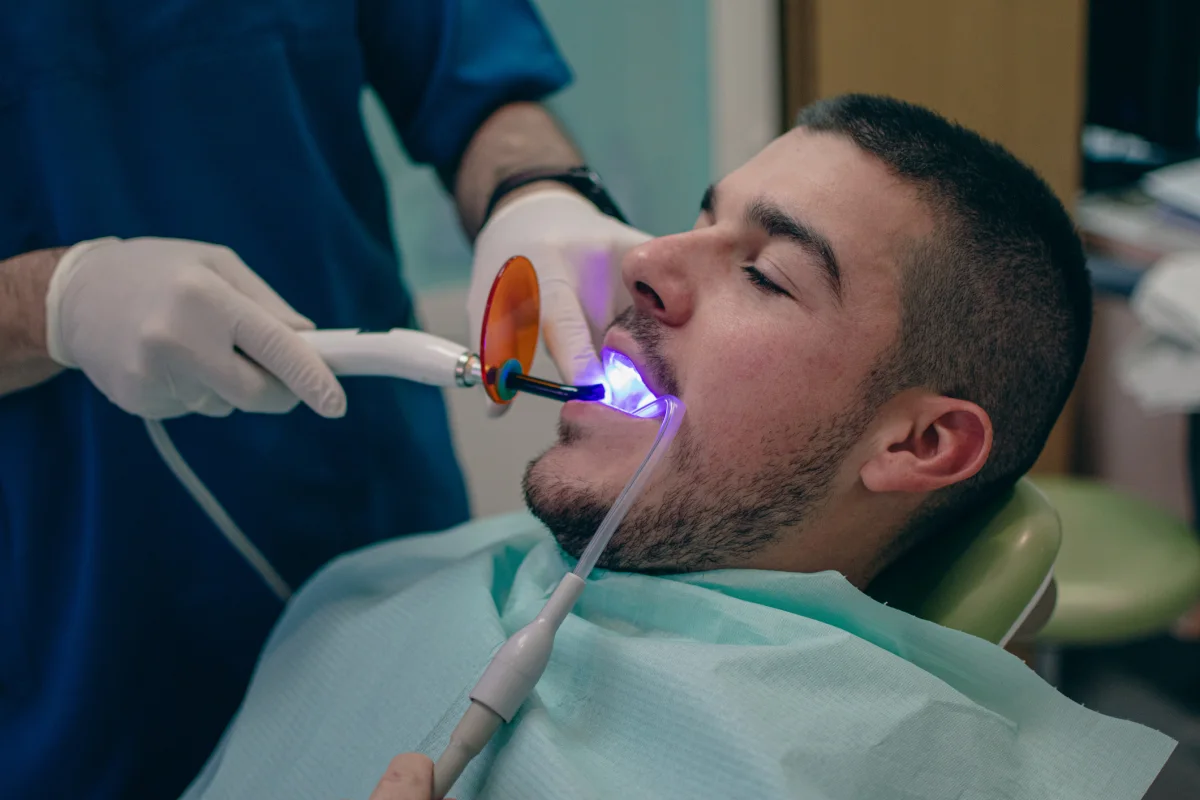
Choosing when to have composite bonding alongside orthodontic treatment can make the difference between a quick tidy-up and a balanced, long-lasting smile makeover. The right sequencing depends on how your teeth will move, how the edges will meet, and what needs to be added or protected at the end.
This guide explains how specialist orthodontic planning and cosmetic bonding work together, when edge bonding can be useful during treatment, when it is better to wait, and what to expect from digital planning, mock-ups, timelines, and maintenance. It also outlines typical costs in transparent packages and how coordinated care across cosmetic dentistry and orthodontics helps achieve predictable results.
If you are weighing up Invisalign® or fixed braces and thinking about bonding, the safest starting point is a joint plan that treats alignment, bite, and tooth shape as one picture.
How Composite Bonding Complements Orthodontics
Orthodontics positions teeth and roots; bonding shapes them. Used together, they can:
- Close small black triangles after crowding is relieved.
- Level worn or chipped incisal edges to refine the smile arc.
- Balance tooth proportions where some teeth look narrow or short.
Clear aligners or braces can create space and correct rotations so bonding can be conservative and additive rather than aggressive. A specialist-led plan limits unnecessary enamel reduction and focuses on stable contacts and a functional bite, not just straight teeth.
Before, During, or After: Choosing the Right Timing
There is no single correct order; the plan follows clinical goals.
- Before treatment: Small pre-orthodontic bonding is occasionally used to protect thin edges from further wear or to create a temporary contact for aligner tracking. It is kept minimal because significant additions can restrict tooth movement or distort aligner fit.
- During Invisalign® treatment: Selective edge bonding can guide aligner seating, disguise chips for confidence during treatment, or close minor triangles in later stages. It must be digitally planned, then mirrored in the next aligner set.
- After braces or aligners: Most definitive bonding is completed once final tooth positions and the bite are stable. Post-orthodontic bonding refines shape, symmetry, and the smile arc with the least compromise and the best longevity.
What Determines Timing: Bite, Wear, and Smile Design
Three clinical factors drive the sequence:
- Bite and function: If edges contact heavily in your current bite, pre-orthodontic bonding risks chipping or debonding. Orthodontic correction first will improve overbite or overjet relationships so bonded edges survive everyday function.
- Enamel wear and edge height: Heavily worn front teeth often need edge lengthening to restore natural proportions. If the wear is severe, a staged approach is common, with temporary protective additions for comfort and final bonding once the bite is corrected.
- Midline, tooth proportions, and smile arc: Digital design sets target widths and lengths so teeth look harmonious with your lip line. If teeth need to be moved to centre the midline or steepen the smile arc, definitive bonding waits until movement is complete.
Invisalign® or Fixed Braces: When Mid-Treatment Bonding Helps
Bonding can be done during Invisalign® treatment where it is part of the plan and aligner fit is managed. Attachments, interproximal reduction (IPR), and any edge additions are integrated into the next aligner run so tracking stays accurate. During fixed braces, minor edge smoothing is possible, but most additive bonding is deferred until brackets are off to allow ideal polishing, shade matching, and finishing.
Remote Dental Monitoring can support timely checks between visits to decide if a small triangle or chip needs addressing late in treatment without delaying completion. Where appropriate, this keeps the journey efficient while maintaining close clinical oversight.
Digital Planning, Mock-Ups, and Predictable Outcomes
A coordinated plan begins with a comprehensive assessment and digital scans. Using a 3D model, the team can:
- Preview tooth movement and the intended smile arc.
- Map where bonded volume is truly needed versus where alignment alone will solve the issue.
- Create a wax-up or digital mock-up to test length, contours, and phonetics.
- Plan retention so new contacts and edges remain stable.
Mock-ups help you see the intended shape before committing. They also guide conservative, enamel-preserving preparation and allow careful polishing for a natural finish.
Edge Bonding for Triangle Gaps and Wear
Black triangles can appear after crowding is relieved if gums have receded or papillae are thin. Well-planned interproximal re-proportioning can soften triangles with minimal material. For worn edges, additive composite restores length and, paired with corrected overbite, typically performs well. The key is finishing against a stable bite and building smooth, polishable surfaces that are easy to clean.
Timelines and Sequencing Options
Every case is different, but common pathways include:
- Align first, bond after: Most adult cases. Invisalign® or fixed braces for several months, then definitive bonding, whitening if desired, and retainers. Refinement aligners may be used to fine-tune spaces before bonding.
- Stage-protect-stage: Early micro-bonding for comfort or protection, main orthodontic movement, final bonding and finishing.
- Minimal-movement makeover: Mild alignment with short aligner series, then proportion-focused bonding to complete the smile.
Dental Monitoring, where suitable, can reduce in-clinic checks without losing supervision, helping treatment fit around work or school.
Costs, Packages, and Maintenance
Transparent packages typically include planning, aligners or braces, reviews, retainers, and a year of aftercare for orthodontic treatment. Final bonding is usually itemised based on the number of teeth and complexity. Composite bonding costs vary with time, material, and artistry; a tailored quote follows assessment and mock-up. You can see how we package quotes on our pricing page.
Clear aligners are currently subject to VAT at 20% on the appliance in the UK; how this affects patient fees varies by practice and plan. Dental treatment provided by a registered dental professional remains VAT exempt where its principal purpose is health-related. We explain this in detail in our guide to VAT on clear aligners.
Maintenance for composite includes:
- Non-abrasive toothpaste and regular hygienist care.
- Night-time retention, and a night guard where clenching or grinding is present.
- Periodic repolishing, with small repairs as needed over the years.
Composite is conservative and repairable; with a stable bite and good care, results are typically long-lasting. Whitening is often scheduled before final bonding so shades can be matched accurately.
Coordinated Care for Predictable Results
When an orthodontist and cosmetic dentist plan together, each decision supports the next. Tooth movement sets up ideal contacts and gum symmetry; bonding then completes shape and sheen. This team approach limits over-treatment, improves longevity, and keeps changes reversible wherever possible.
If you want to explore a combined pathway with a specialist-led team, you can start with a no-obligation discussion and a digital 3D preview of likely outcomes. Orchard Orthodontics provides this coordinated planning across Greater London locations, including Brixton, Croydon, and Guildford.
For patients comparing options, it may help to review planning for Invisalign® in London alongside a clear explanation of pricing. You can also see how remote Dental Monitoring supports progress between appointments.
Frequently asked questions
Should I have composite bonding before or after braces?
Minor protective or cosmetic additions can be placed before or during treatment if planned into the movement. Most definitive bonding is best done after alignment, once the bite and midline are final.
Can bonding be done during Invisalign® or after fixed braces removal?
Yes, during Invisalign® treatment when integrated into the aligner plan; after fixed braces, definitive bonding is routinely completed once brackets are off.
What factors determine timing?
Bite contacts and function, the degree of enamel wear, midline position, tooth proportions, and smile arc planning are the main drivers.
How does bonding complement orthodontic treatment for a full makeover?
Orthodontics corrects position and bite; bonding refines shape, symmetry, and surface to complete natural-looking proportions.
How do costs, timelines, and maintenance compare by sequence?
Align-first then bond typically offers the most durable finish and efficient maintenance. Packages cover orthodontic essentials; composite is itemised per tooth and may need periodic polishing or small repairs. The VAT position for clear aligners affects appliances, not clinical care; overall fees depend on the individual plan.
Summary
For most patients, the highest-quality result comes from aligning first, then applying definitive composite bonding to finish shape and proportion once the bite is stable. Selective edge bonding during Invisalign® treatment is possible when it is part of the digital plan, but larger additions wait until the end for longevity and precision. A joint plan, supported by scans, mock-ups, and clear maintenance, delivers predictable outcomes with minimal enamel sacrifice. If you would like tailored advice, book a specialist-led free consultation to map the right sequence for your smile.
Back 8 Brixton Hill Brixton


 Open in Google Maps