
 Spanish
 Portuguese
 Arabic (Saudi Arabia)
 Chinese (Mandarin)
 Urdu (پاکستان)



Handling orthodontic emergencies
Orthodontic emergencies can be worrying, but most are minor and can be managed safely at home until you’re able to see us. Below is a clear guide to the most common orthodontic issues, listed from least to most severe, with practical advice on how to handle each situation.
Only the most serious problems require immediate attention. If you are ever unsure, please contact Orchard Orthodontics for guidance - our team is here to help.
Book a free consultation
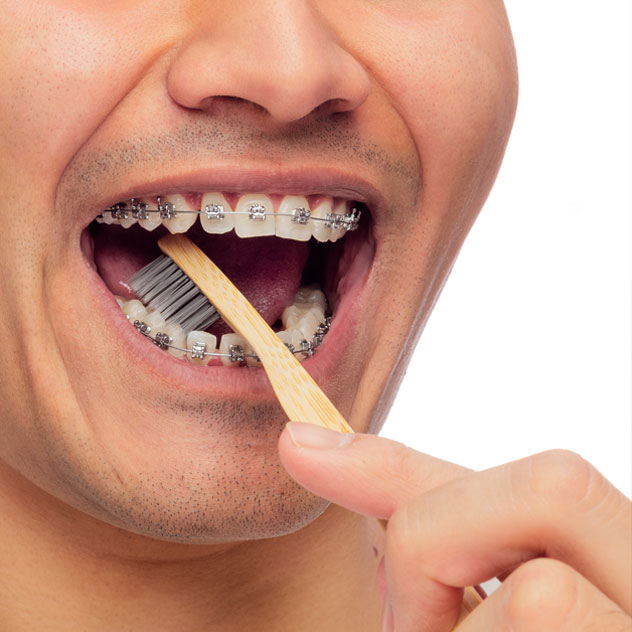
Food caught between teeth or braces
This is not an emergency, though it can feel uncomfortable or embarrassing. Here’s what you can do:
- Use dental floss to gently remove the food.
- Tying a small knot in the middle of the floss can help dislodge stubborn debris.
- An interproximal brush or toothpick may also help.
Loose or missing ligatures
Ligatures are small rubber bands or tiny metal wires that hold the orthodontic wire in place. Here’s what you should do if one is loose or missing:
- If a rubber ligature comes off, you may be able to reposition it using clean tweezers.
- If a wire ligature comes loose, it can usually be removed carefully with tweezers.
- If a wire is irritating the lip but still attached, gently bend it flat using a Q-tip or pencil eraser.
- If a ligature is missing or broken, contact your orthodontist for advice on whether an appointment is needed.

Discomfort after adjustments
Mild discomfort is normal for a day or two after braces or retainers are adjusted. Here are a few tips to help:
- Reassure yourself or your child that this is temporary.
- Stick to soft foods for a day or two.
- Rinse with warm salt water to soothe the mouth.
- Use over-the-counter pain relief.

Mouth sores
While braces don’t cause mouth ulcers, they may irritate sensitive areas and worsen existing sores. This can be uncomfortable, but it isn’t an emergency. To help soothe the area:
- Apply a small amount of topical anaesthetic (such as Orajel or Orabase) directly to the sore using a cotton bud.
- Reapply as needed for relief.
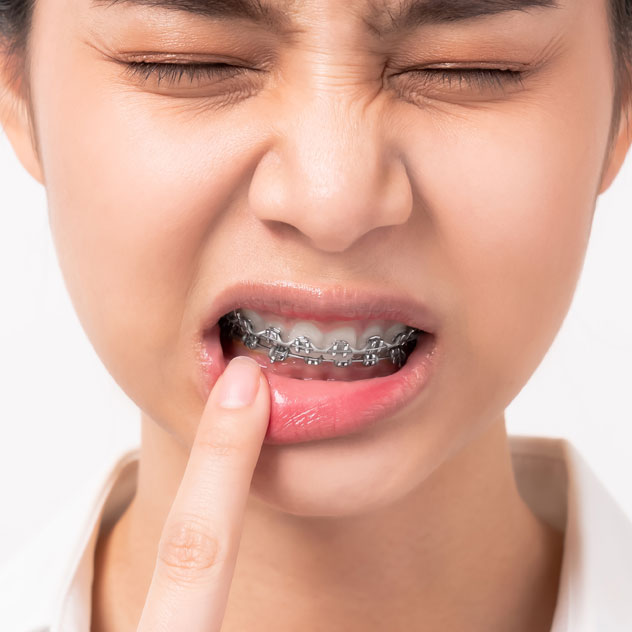
Irritation to cheeks or lips
Sometimes new braces can be irritating to the mouth. Here are the recommended steps to protect your mouth:
- Use orthodontic relief wax to create a barrier between the braces and the irritated area.
- Roll a small piece into a ball, flatten it and place it over the bracket or wire causing discomfort.
- Do not panic if the wax is accidentally swallowed; it is harmless.

Protruding or poking wire
Occasionally, a wire may shift out of place and begin to irritate the mouth. Here is how to proceed in this case:
- Try gently pushing the wire flat against the tooth using a cotton bud or pencil eraser.
- If this does not work, cover the wire with relief wax.
- Contact your orthodontist to let them know about the issue.
Last resort: If the wire is extremely uncomfortable and you cannot see the orthodontist soon, the wire may be clipped carefully. Use gauze or tissue around the area to prevent swallowing the cut piece, and use sharp clippers. Relief wax may still be needed afterwards.
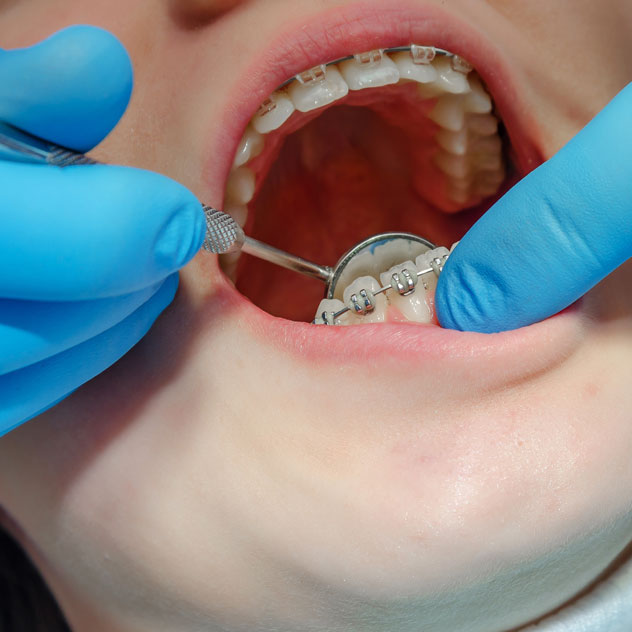
Loose brackets, wires or bands
Loose brackets can occasionally occur after eating hard or crunchy foods or getting knocked in the mouth. Here is what you should do:
- If a bracket is loose, notify your orthodontist as soon as possible.
- To help prevent this from happening, we recommend wearing a mouthguard during sports and avoiding hard or sticky foods.
If a bracket has rotated on the wire and is causing discomfort, a temporary fix may help until you can be seen:
- Using clean tweezers, slide the bracket along the wire between two teeth. Rotate it back into position and slide it back to the centre of the tooth. Take care to avoid swallowing the bracket.
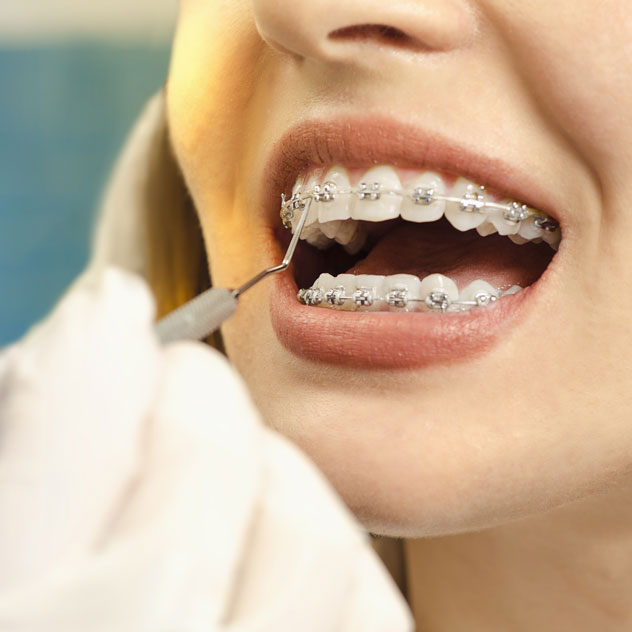
Swallowed or inhaled appliance parts
Swallowing or inhaling a piece of your appliance is rare but can be alarming. Here are the steps you should take:
- Remain calm.
- If there is excessive coughing or difficulty breathing, you should call for medical attention immediately.
- If the piece is visible and easily reachable, you may carefully attempt to remove it. Do not attempt removal if there is any risk of harm.
- Afterwards, check the braces for any looseness or irritation and manage as advised above.
- Notify your orthodontist so they can assess whether your appliance needs adjusting.

When to contact Orchard Orthodontics
If you are unsure how to manage an orthodontic issue or if discomfort persists, please contact Orchard Orthodontics for advice.
You should contact us promptly if:
- Pain or irritation does not improve
- A bracket, wire or appliance is loose or broken
- You are concerned about swallowed or inhaled appliance parts
- We encourage you to print this informational leaflet for easy access to the information above.

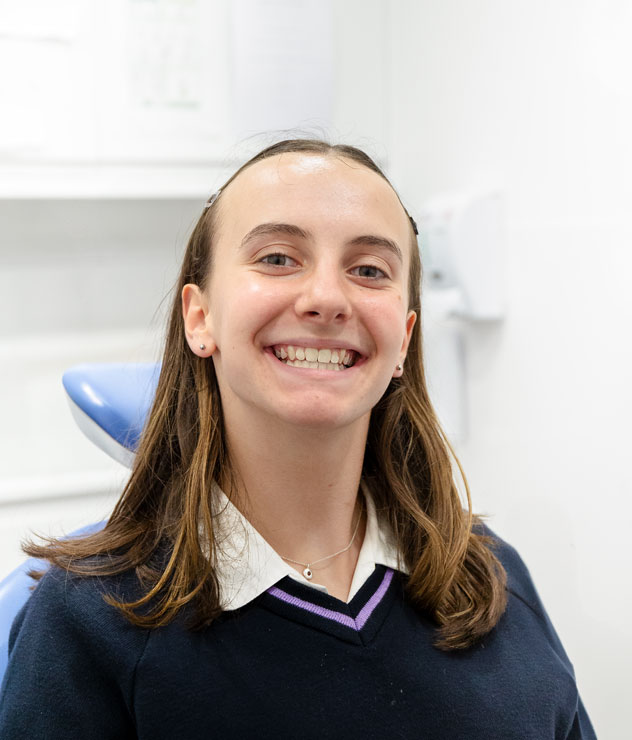
Support you can rely on - even between appointments
From broken wires and loose brackets to lost aligners or discomfort that won’t settle, our team can help. Reach out and we’ll provide advice and arrange an appointment if needed.
Contact usVisit us
We invite you to visit us at one of our Greater London practices. We are currently unable to accept new patients at our practice in Cobham.
Orchard Orthodontics Brixton
 8 Brixton Hill Brixton
SW2 1EG


- Monday 8:00 am - 6:00 pm
- Tuesday 8:00 am - 7:00 pm
- Wednesday 8:00 am - 6:00 pm
- Thursday 8:00 am - 6:00 pm
- Friday 8:00 am - 6:00 pm
- Saturday 8:00 am - 3:00 pm
- Sunday Closed

 Open in Google Maps
Orchard Orthodontics Croydon
114-118 Cherry Orchard Road Croydon
CR0 6BA
- Monday Closed
- Tuesday 9:00 am - 6:00 pm
- Wednesday 9:00 am - 6:00 pm
- Thursday 9:00 am - 7:00 pm
- Friday By appointment only
- Saturday By appointment only
- Sunday Closed